Small market, long service life: the case for heat-cured phenolic coatings
Baked phenolics
The technology’s core strengths and the market dynamics that define it
As a third-generation, family-owned company that has been supplying premium lining and coating systems since 1954, SÄKAPHEN has pursued a strategy of specialization rather than diversification, focusing its manufacturing capabilities on phenolic-based coating systems and on developing tailored application processes to address complex corrosion protection challenges that often fall outside the scope of standard industrial coating projects.
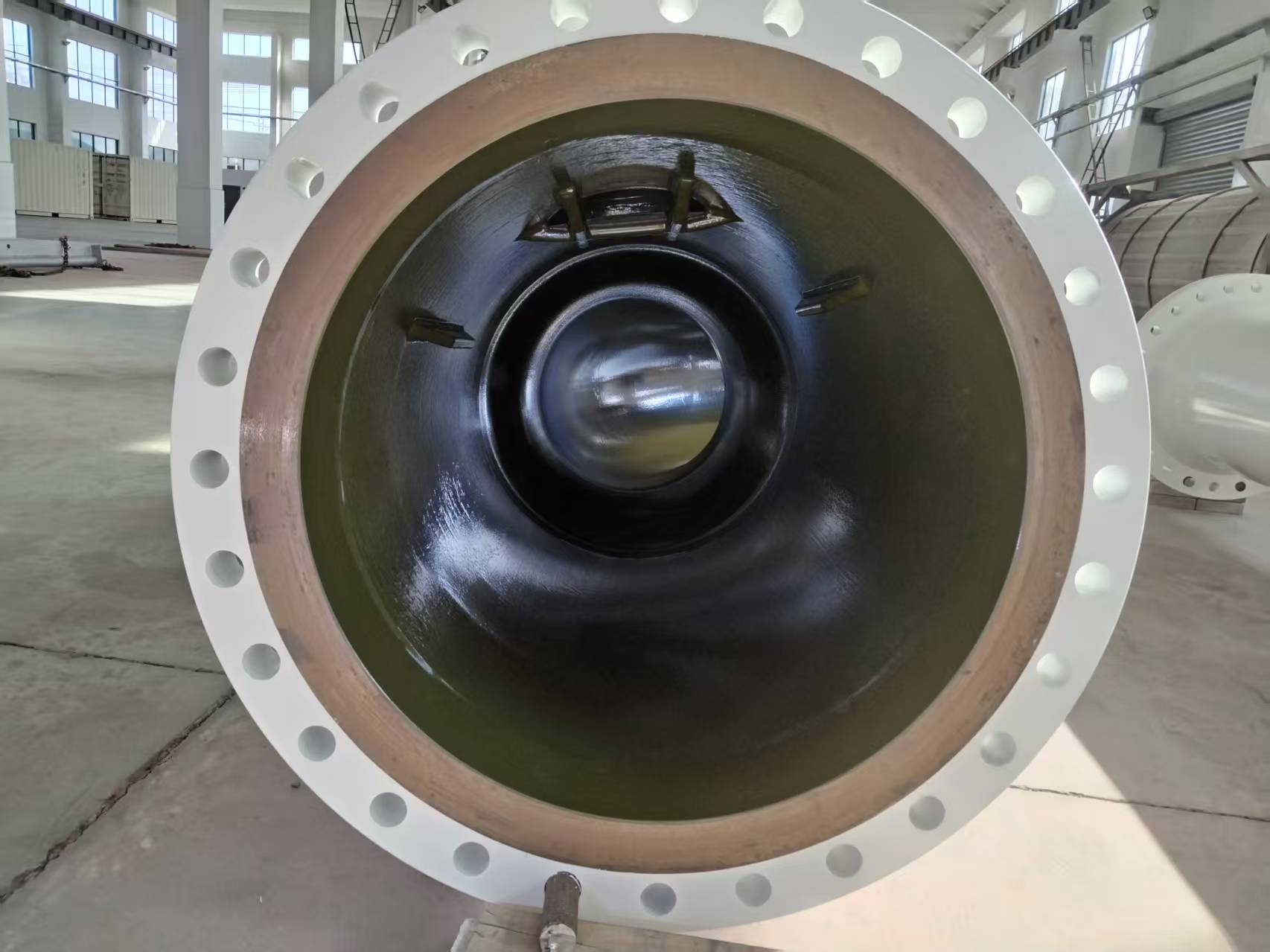
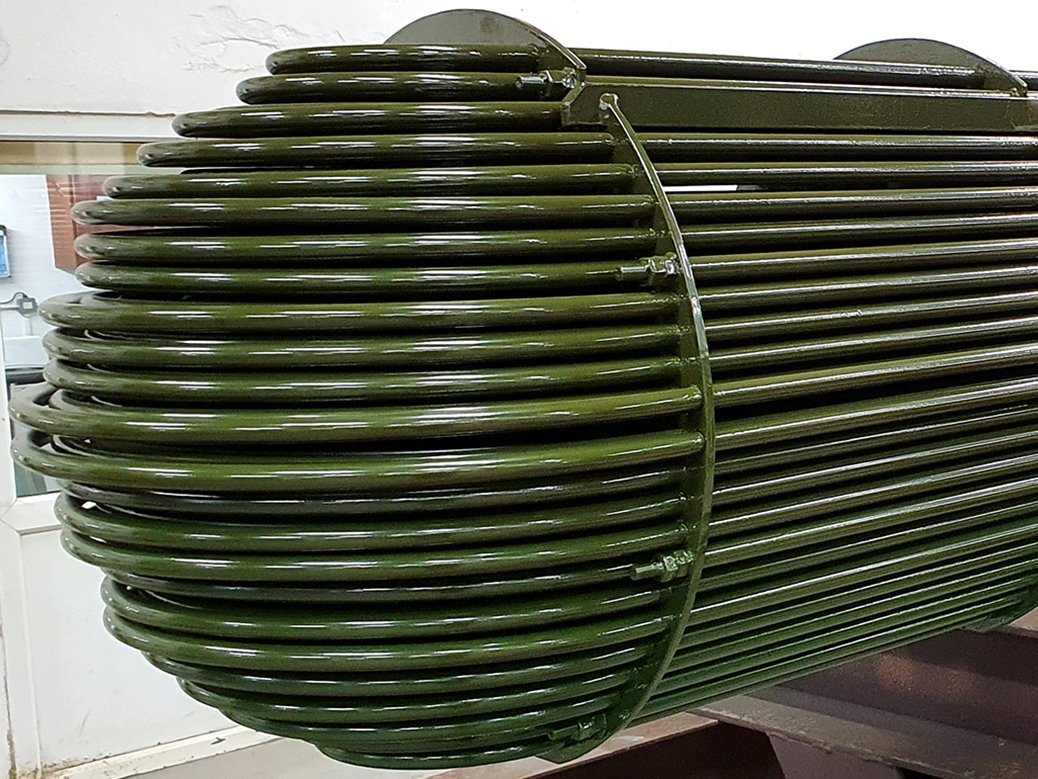
While our in-house laboratory develops a varied range of protective systems – including cold-cured epoxy and heat-cured epoxy-phenolic coatings – our core offering is represented by phenolic coatings, thermosetting systems based on phenolic resins that, once heat-cured, form a highly crosslinked, chemically inert protective film directly bonded to the metal substrate.
The global market for phenolic coatings
Heat-cured phenolic coatings occupy a small but highly stable niche within the broader coatings market. The global market for phenolic resins, one of their key components, is growing steadily: consulting firm Towards Chemicals & Materials estimated it at USD 16.44 billion in 2025 and projected it to reach USD 27.17 billion by 2034, at a compound annual growth rate (CAGR) of 5.74%. In particular, the resol segment, the product type most widely used in industrial protective coatings, is expected to grow at the fastest rate, approximately 6.1% CAGR over the same period.
The heat-cured phenolic coating niche, however, remains relatively contained, and for reasons that reflect the technology’s core strength. “This is largely due to the coatings’ high effectiveness,” Christoph Fischer-Zernin, Commercial Director of Säkaphen, recently explained. “Because they last for decades, replacement cycles are long, and overall demand remains low. Add to that a deliberately limited pool of specialized producers and certified applicators, and you have a market defined by depth of expertise rather than volume.” As a result, phenolic coatings are typically selected for critical applications where long-term performance outweighs considerations of ease of use or initial cost.
The advantages of phenolic-based protective products
The longevity of phenolic coatings stems from a combination of properties that few competing systems can match across the board.
Their chemical resistance is exceptionally broad, covering aggressive acidic media and corrosive hydrocarbons, including organic and inorganic acids, salt solutions, aliphatic and aromatic hydrocarbons, alcohols, flammable liquids, and all types of cooling water.
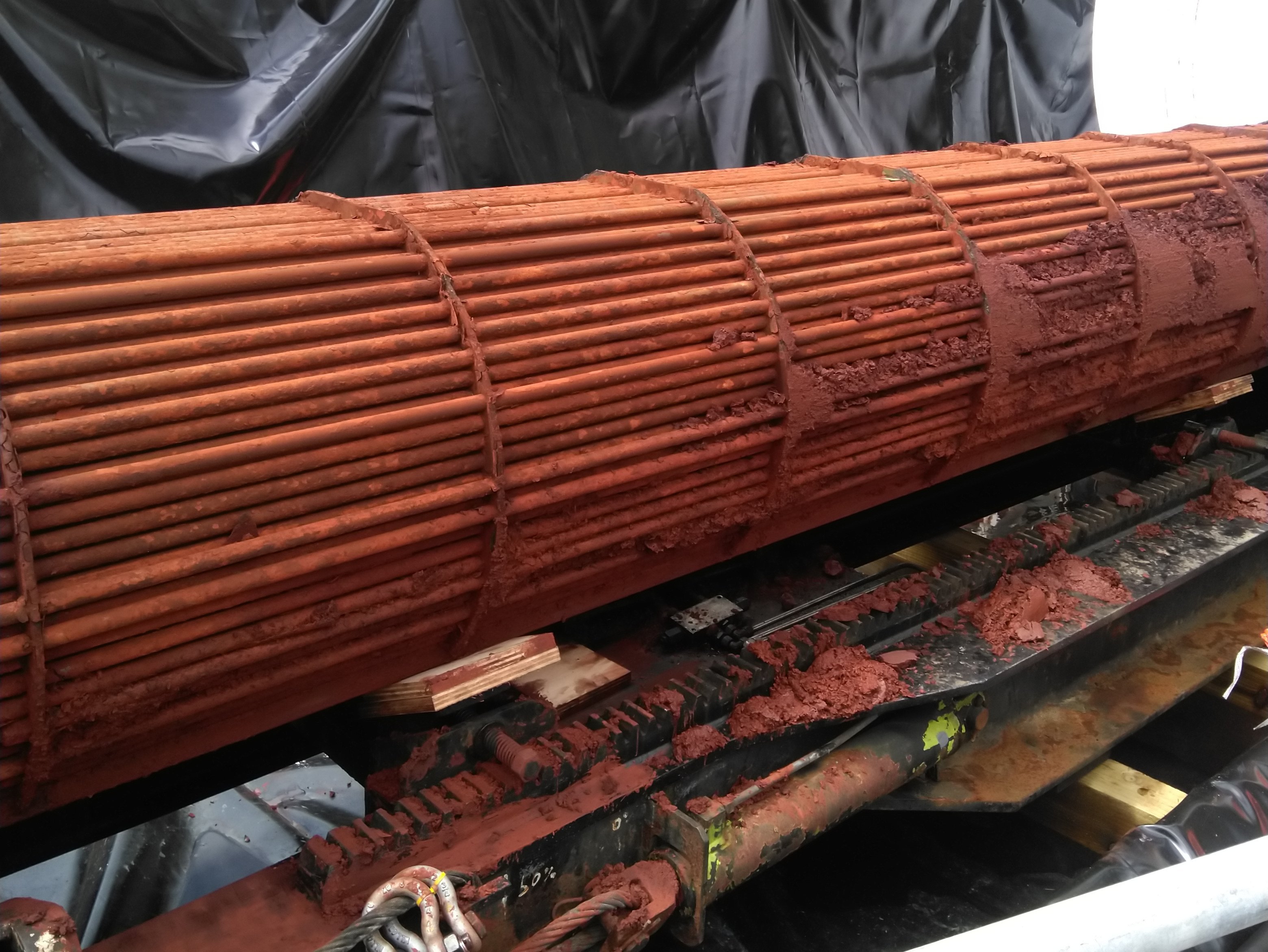
Once polymerized, the thermosetting film is hard yet elastic and exhibits pronounced hydrophobic properties. This combination actively prevents caking, fouling, and incrustation. “For instance, this translates into a measurably lower fouling factor when designing new heat exchangers, reducing both cleaning frequency and associated downtime,” noted Fischer-Zernin. The coatings are equally suitable for storing and transporting flammable liquidsand substances hazardous to water; specific formulations incorporating ceramic fillers also provide enhanced abrasion resistance.
Thermal performance is another defining characteristic. “These products offer high chemical resistance at temperatures above 120°C,” said Säkaphen’s Commercial Director, “and withstand significant temperature fluctuations without loss of integrity.” Certain products in the company’s range, such as Si 14 EG, also resist water vapor diffusion (ΔT 85 °C), making them suitable for condensate-heavy environments.
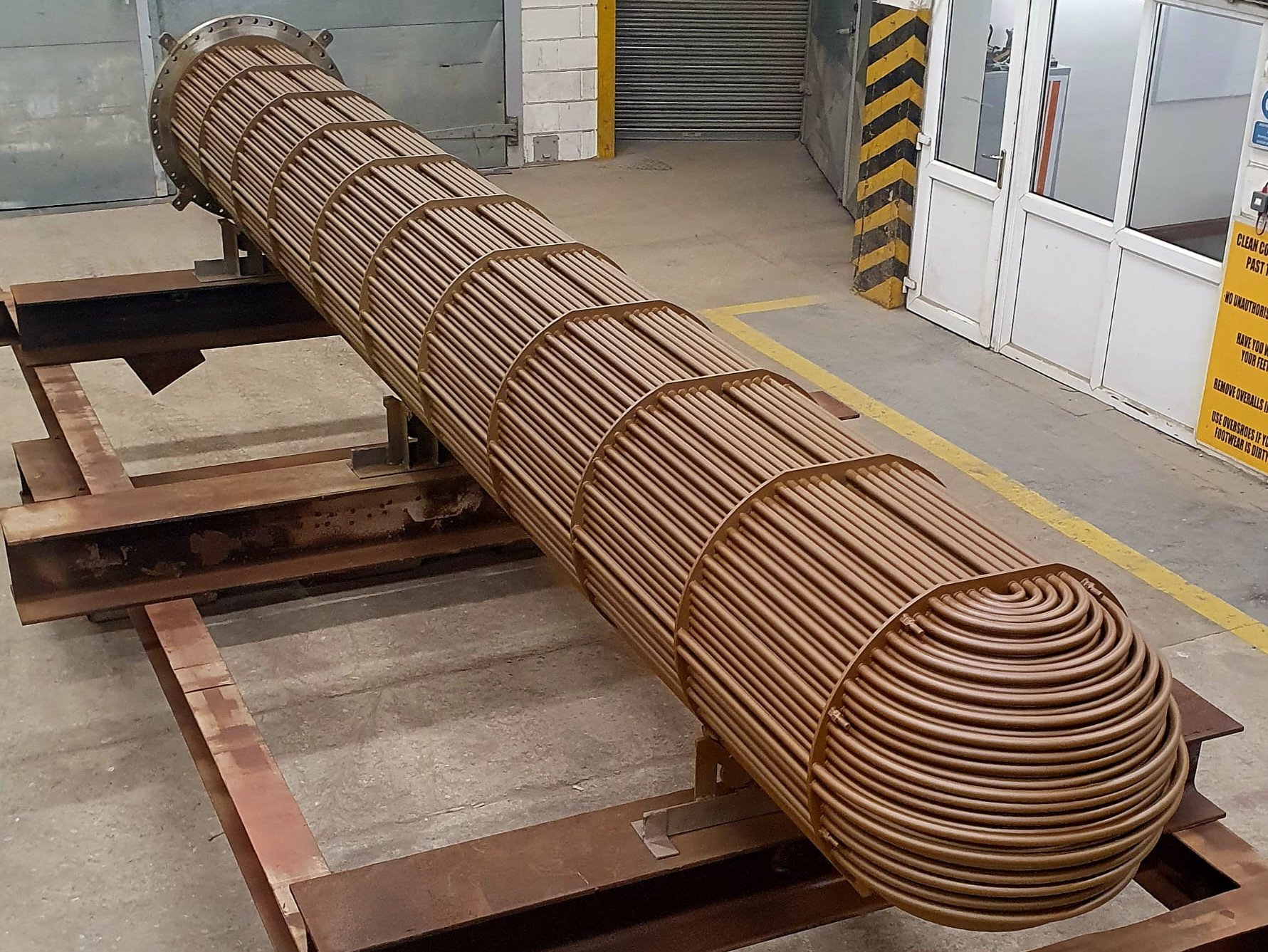
Substrate versatility is equally broad. As Fischer-Zernin indicated, “These coatings can be applied to a wide range of metallic substrates, from carbon steels through to exotic alloys, across many equipment types, from static assets such as heat exchangers, pipes, spools, vessels, and tanks, to rotating equipment such as turbines and impellers operating in highly aggressive environments.”
From a total cost of ownership perspective, the case for phenolic coatings is compelling. An eight-year TCO analysis comparing a carbon steel heat exchanger protected with a Säkaphen lining to equivalent units constructed from stainless steel, copper-nickel, or titanium consistently shows the lined carbon steel option to be the most economical, both at the point of initial investment and when operational costs for cleaning, repair, and eventual replacement are factored in.
Performance in the field
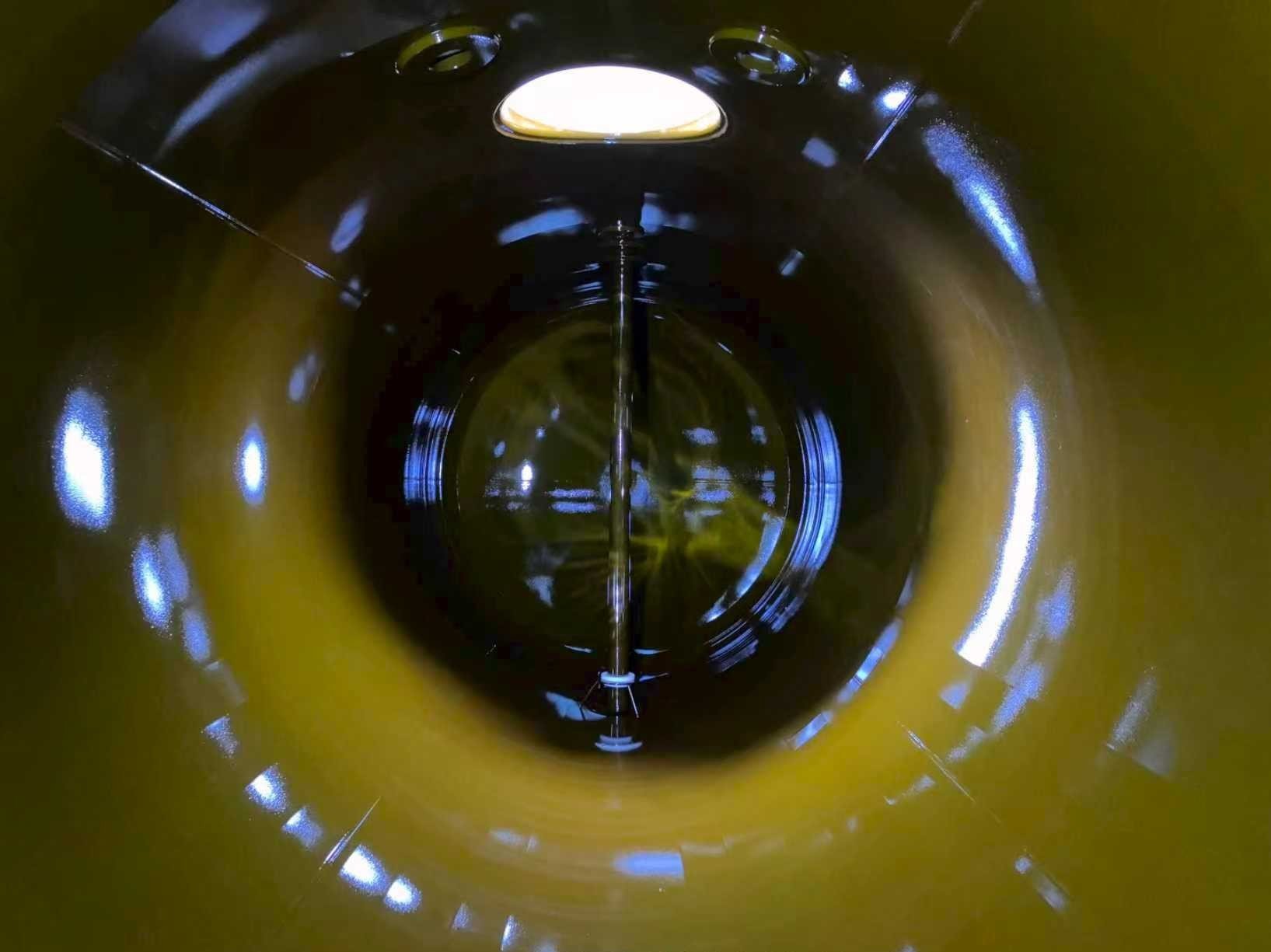
That long-term value is well illustrated by real-world service data. “In one documented case a few months ago,” said Fischer-Zernin, “we had the opportunity to inspect a pipe prover, a precision device used to calibrate flow meters in oil and gas production, whose internal lining with our flagship phenolic product, Si 14 E, had been in continuous service for over 35 years without replacement or significant intervention.”
In another case, Si 14 E remained in operation for almost five decades. As the client commented: “The original coating system was delivered in 1969. We decided to use the same because 50 years of service life speak for themselves!”
The long service intervals that define this technology also carry an underappreciated environmental dimension. An asset that operates for 50 years without relining generates significantly less material waste and consumes fewer resources than one that requires periodic replacement or construction using energy-intensive materials such as titanium or duplex stainless steel. This consideration is becoming increasingly relevant as industries face tighter scrutiny of their long-term environmental footprint.
Get in Touch
Whether you are evaluating phenolic coatings for a new project or looking to extend the service life of existing assets, SÄKAPHEN’s technical team is available to advise on product selection, application processes, and long-term protection strategies. Contact us to discuss your specific requirements!
FAQ
1) Why choose a phenolic coating over a standard industrial lining?
Heat-cured phenolic coatings can outperform standard epoxy and polyurethane systems in the most demanding environments, combining broad chemical resistance, high thermal performance, and a hydrophobic, fouling-resistant film that bonds directly to metal.
2) How long do heat-cured phenolic coatings typically last in service?
Service life depends on operating conditions, but documented cases include assets that have remained in continuous service for over 35 years without relining or significant intervention.
3) Are phenolic coatings suitable for both new equipment and refurbishment projects?
Yes. SÄKAPHEN’s phenolic coatings can be applied to newly fabricated equipment in the workshop and to existing assets undergoing re-coating or re-lining, across a wide range of metallic substrates and equipment types.